Cross Platform Component Reusability for Web and Mobile Applications
A major logistics and transportation platform building customer tracking portals for desktop web, mobile web, iOS, and Android applications.
Run on Nirmiti · Engineering Foundation Studio

Engineers duplicated design implementation across React for web and React Native for mobile, doubling UI development effort.
Universal Design Token Engine → Cross Platform Component Generator → Side by Side Component Preview → Built-In Accessibility
UI component development time reduced by 52% through cross platform code sharing.
The challenge
Engineers duplicated design implementation across React for web and React Native for mobile, doubling UI development effort.
Design discrepancies between web and mobile interfaces eroded brand consistency and caused user confusion during package tracking.
Updating a single core design token (such as brand colors or typography scales) required manual code updates across 4 separate repositories.
How our team solved it, with Nirmiti
- 01
Universal Design Token Engine
Nirmiti centralizes color palettes, typography, spacing, and shadow tokens into platform agnostic definitions.
- 02
Cross Platform Component Generator
Nirmiti generates synchronized UI components that compile to both web DOM and React Native primitives.
- 03
Side by Side Component Preview
Developers and UI designers test component rendering side by side across mobile and desktop viewports.
- 04
Built-In Accessibility
Generated components include ARIA roles, keyboard navigation hooks, and screen reader labels.
- 05
Shared Business Logic
Data validation, state machines, and API hooks move into shared packages that both web and mobile clients consume.
- 06
Design Lead Sign-Off
The design system lead reviews each token change and generated component, and approves it before release to web and mobile.
The outcome
- Engineers duplicated design implementation across React for web and React Native for mobile, doubling UI development effort.
- Design discrepancies between web and mobile interfaces eroded brand consistency and caused user confusion during package tracking.
- Updating a single core design token (such as brand colors or typography scales) required manual code updates across 4 separate repositories.
- UI component development time reduced by 52% through cross platform code sharing.
- 100% visual and functional parity achieved between web and mobile application releases.
- Design token update propagation time reduced from 2 weeks across teams to a single automated build.
Delivered for a client; the client name is withheld under NDA. References are available on request.
Capabilities used
Every accelerator is assembled from the same capability layer, so a workflow you adopt here shares its foundation with the rest of the portfolio.
Run on Nirmiti
Watch Nirmiti run, end to end, in a few minutes.
A shared foundation so every new service starts production-ready, not from zero.
See the Nirmiti acceleratorMore from Nirmiti
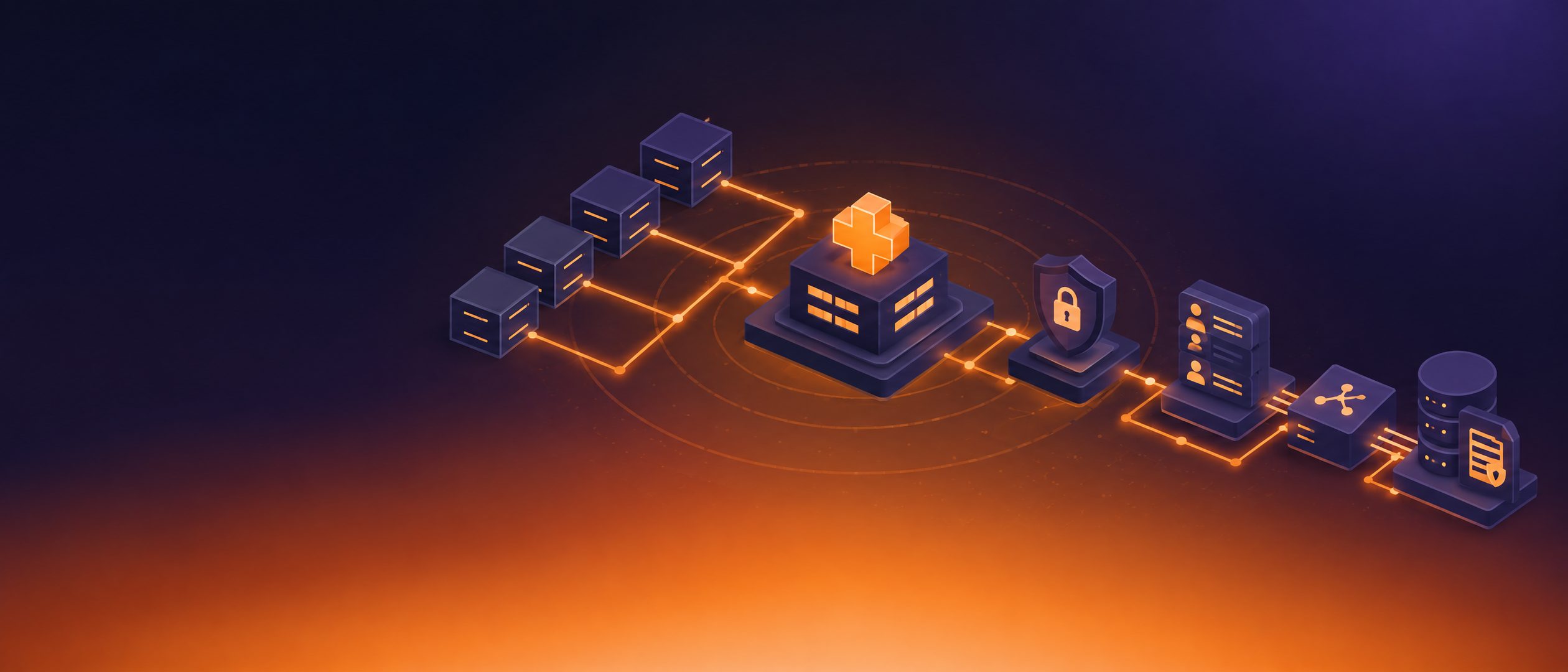
Accelerating Enterprise Application Foundation Setup to Production
A digital health software enterprise launching a new patient management portal requiring secure authentication, role based access control, API gateway scaffolding, and HIPAA compliant audit logging.
Read the use case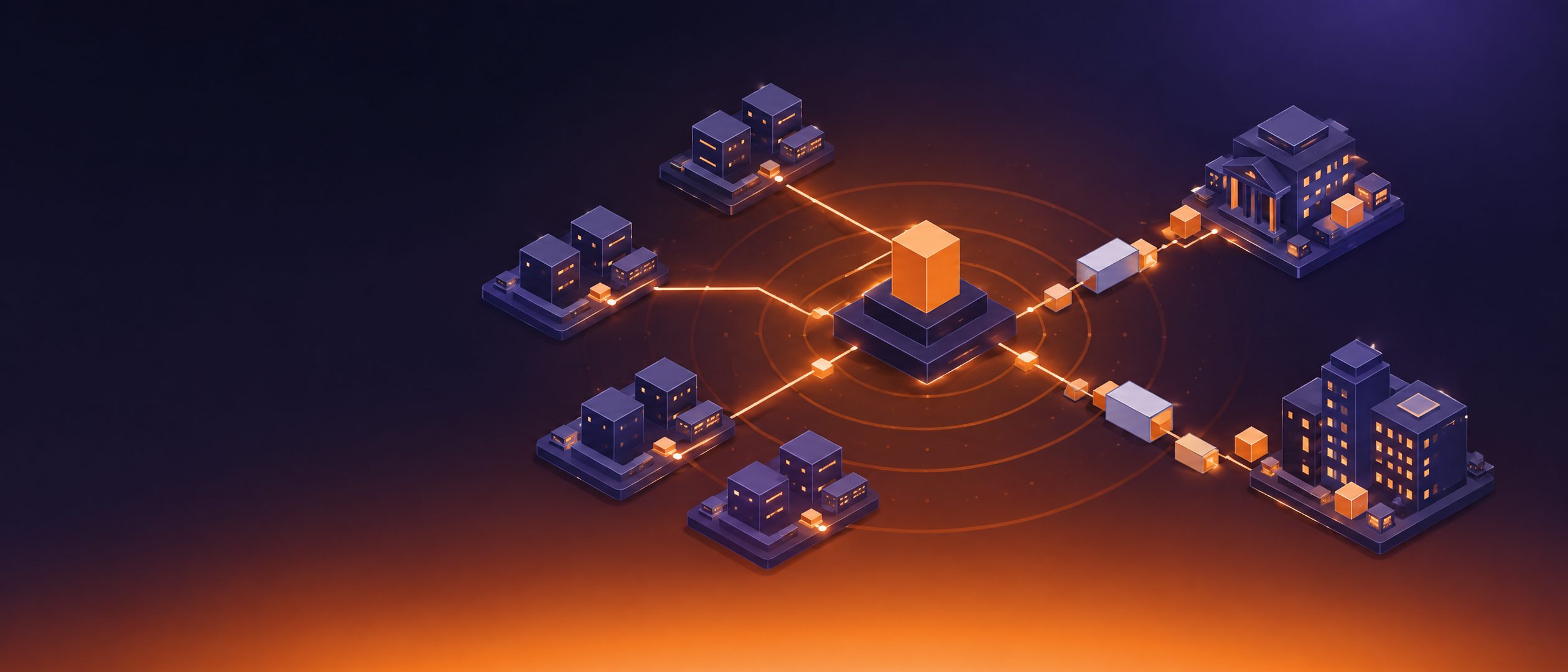
Standardizing Engineering Scaffolding Across Distributed Development Teams
A multinational fintech organization with 450 software engineers distributed across 18 regional squads building micro frontends for retail and institutional banking.
Read the use case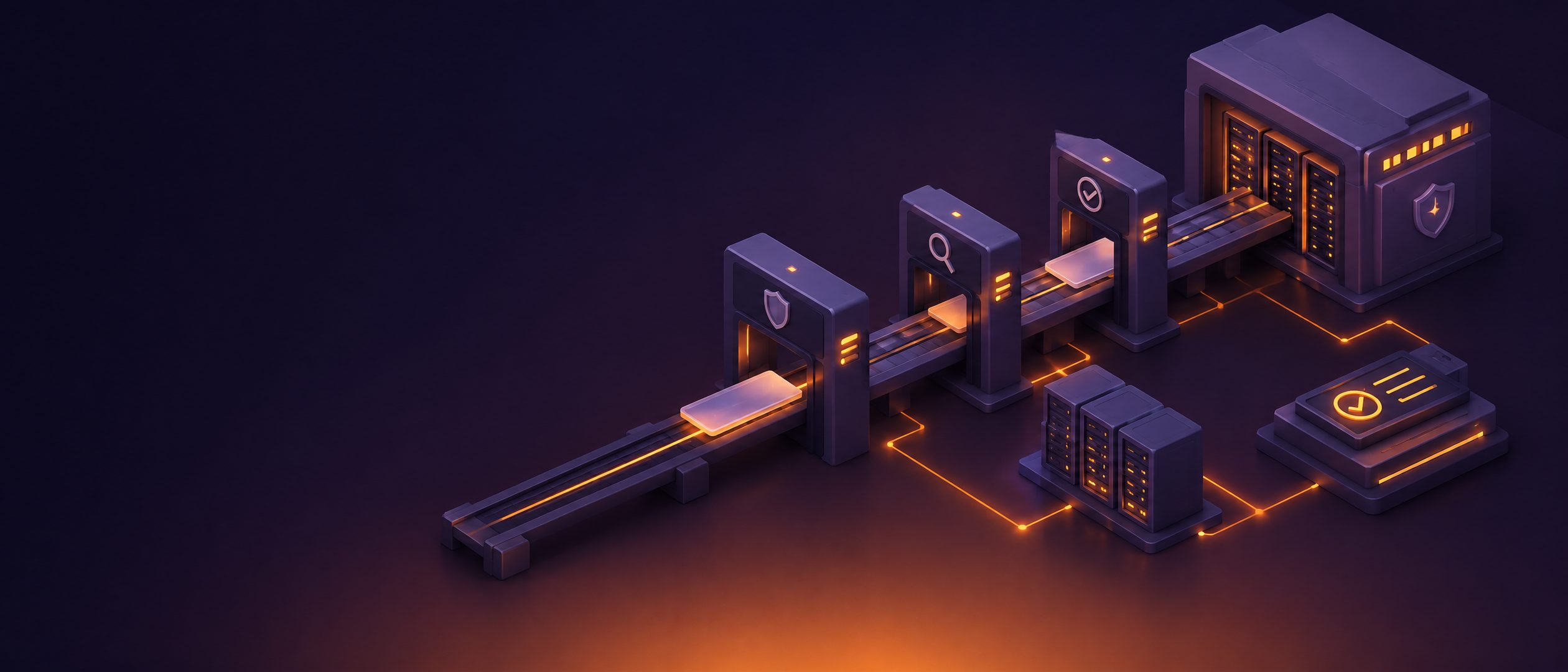
Automated Testing Scaffolding and Continuous Integration Pipeline Reliability
An enterprise SaaS analytics provider processing sensitive customer financial data, requiring high test coverage and strict CI/CD verification.
Read the use caseBring us the version of this that you actually have.
Every engagement is fixed in scope and milestone-gated. The scoping conversation starts with your systems, not with a template.