Fleet-Wide Fault Diagnostics from Live Vehicle Telemetry
A national freight logistics provider operating 3,500 heavy-duty commercial tractors and trailers across long-haul highway routes.
Run on Vahana · Connected Vehicle
Unplanned roadside vehicle breakdowns cost over $2,500 per incident in towing, cargo transfer, and missed SLA delivery penalties.
High-Throughput CAN Bus Ingestion → Predictive Component Health Scoring → Remaining Useful Life (RUL) Calculation → Proactive Workshop Scheduling
38% reduction in unplanned roadside breakdowns across the 3,500-vehicle fleet.
The challenge
Unplanned roadside vehicle breakdowns cost over $2,500 per incident in towing, cargo transfer, and missed SLA delivery penalties.
Standard periodic servicing (every 15,000 miles) failed to catch sudden turbocharger seal failures, transmission overheating, or brake pad degradation on severe routes.
Telematics data from CAN bus systems was overwhelming, producing millions of raw fault codes daily without actionable priority.
How our team solved it, with Vahana
- 01
High-Throughput CAN Bus Ingestion
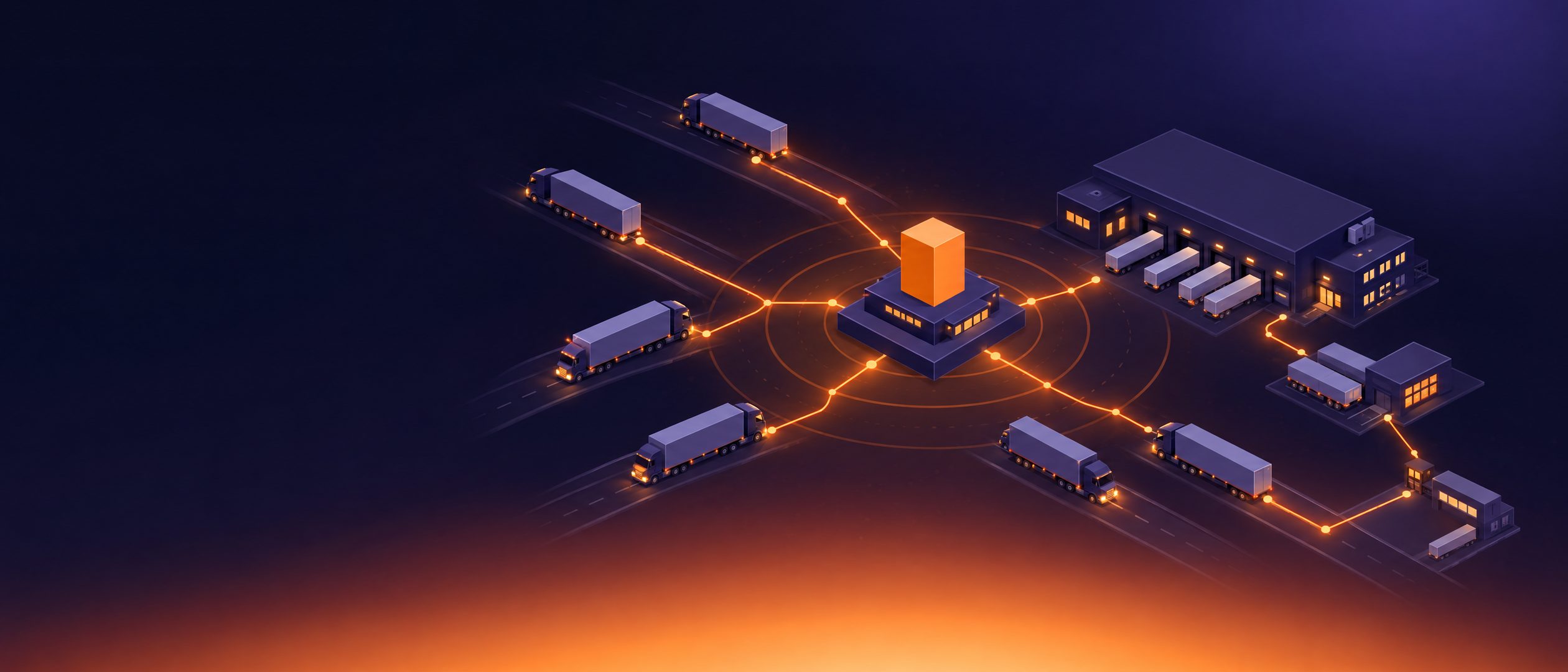
Vahana ingests real-time CAN bus telemetry, OBD-II diagnostic fault codes (DTCs), and engine sensor parameters across 3,500 vehicles simultaneously.
- 02
Predictive Component Health Scoring
Machine learning models detect subtle degradation signals across several parameters, such as oil pressure micro-drops that correlate with turbocharger vibration.
- 03
Remaining Useful Life (RUL) Calculation
Estimates RUL percentages for engine, transmission, and braking components on every active vehicle.
- 04
Proactive Workshop Scheduling
Proposes maintenance work orders and routes to nearby fleet workshops before a breakdown occurs.
- 05
Fleet Commander Risk Cockpit
Ranks fleet assets by breakdown risk rather than mileage.
- 06
Maintenance Manager Approval
The fleet maintenance manager reviews each proposed work order and approves which vehicles are pulled into the workshop.
The outcome
- Unplanned roadside vehicle breakdowns cost over $2,500 per incident in towing, cargo transfer, and missed SLA delivery penalties.
- Standard periodic servicing (every 15,000 miles) failed to catch sudden turbocharger seal failures, transmission overheating, or brake pad degradation on severe routes.
- Telematics data from CAN bus systems was overwhelming, producing millions of raw fault codes daily without actionable priority.
- 38% reduction in unplanned roadside breakdowns across the 3,500-vehicle fleet.
- Annual fleet maintenance expenses optimized by 22% by eliminating unnecessary servicing on healthy assets.
- Zero SLA late-delivery penalty charges incurred due to mechanical failure.
Delivered for a client; the client name is withheld under NDA. References are available on request.
Capabilities used
Every accelerator is assembled from the same capability layer, so a workflow you adopt here shares its foundation with the rest of the portfolio.
Run on Vahana
Watch Vahana run, end to end, in a few minutes.

Connected-vehicle and telematics data, made actionable.
See the Vahana acceleratorMore from Vahana

EV Battery Degradation and Thermal Runaway Monitoring for Transit Fleets
A metropolitan transit authority operating 600 electric buses under demanding urban stop-and-go driving conditions and extreme summer temperatures.
Read the use case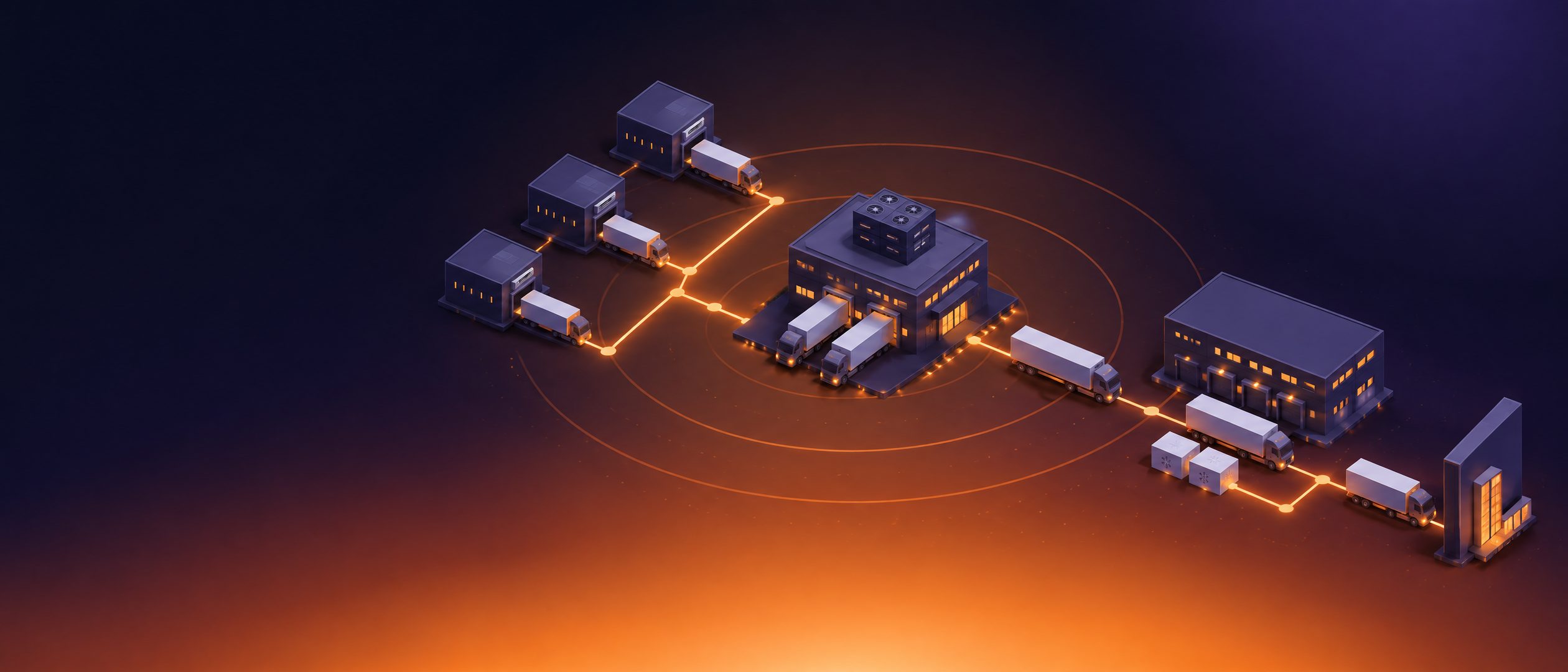
Real-Time Cargo Cold-Chain Temperature Compliance in Pharmaceuticals
A specialized healthcare logistics provider transporting high-value vaccines and biologics in refrigerated trailer units across national distribution networks.
Read the use case
Automated Remote ECU Diagnostics and Over-The-Air (OTA) Campaign Validation
An automotive OEM deploying Over-The-Air (OTA) software updates to 250,000 connected consumer vehicles across multiple continent regions.
Read the use caseBring us the version of this that you actually have.
Every engagement is fixed in scope and milestone-gated. The scoping conversation starts with your systems, not with a template.