
Vahana
vahana - vehicle, that which carries
Connected-vehicle and telematics data, made actionable.
At a glance
- Category
- Connected Vehicle
- Theme
- Asset Reliability & Fleet
- Industries
- Automotive, Logistics, Energy & Utilities
- Capabilities
- 5 composed
- Pairs with
- Yukti
Who it is for
- OEMs and fleet operators
- Connected-vehicle and telematics teams
- Reliability and safety engineering
Systems it sits on
MQTT / vehicle gateways · Kafka · Snowflake · Databricks
Also used in
Pairs with
Yukti

Explainer
Vahana in two minutes
A narrated walkthrough of the problem, how Vahana works, and what changes. Captions are available in the player.
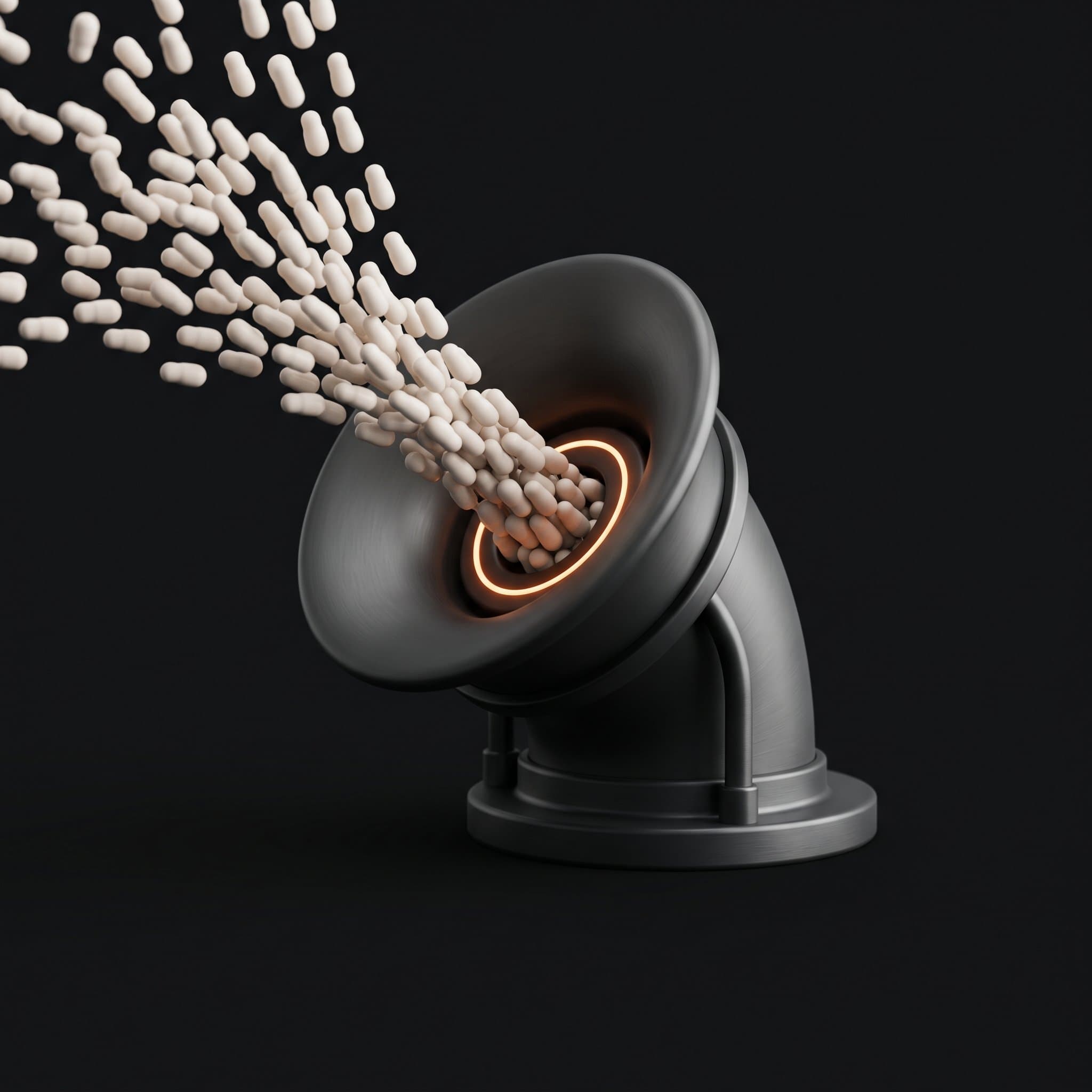
Vahana ingests connected-vehicle and telematics data faster than any team could by hand and turns it into reliability, safety, and operational signal. High-throughput pipelines feed models that derive vehicle health and usage, surfaced through fleet-level dashboards that make the whole estate legible.
The problem
Fleet and vehicle telemetry arrives faster than any team can model or act on it.
The outcome
A platform that turns raw telematics into reliability, safety, and operational signal at scale.
How it works
How Vahana works
- 01
Ingest at scale
High-throughput pipelines absorb telemetry from connected fleets.
- 02
Model signals
Raw streams become health, safety, and usage signals.
- 03
Surface operations
Fleet dashboards give visibility across the vehicle estate.
- 04
Act
Signals route to the teams and systems that own the response.
Module 01
Ingestion at Scale
High-throughput pipelines for connected fleets.
- 02
Signal Modeling
Derive health, safety, and usage signals.
- 03
Fleet Dashboards
Operational visibility across the vehicle estate.
- telemetry throughput
- Fleet-scaletelemetry throughput
Integrations
Ideal for
- OEMs and fleet operators
- Connected-vehicle and telematics teams
- Reliability and safety engineering
- Logistics and energy fleets
Capabilities
Vahana composes these capabilities from the shared Agent Platform layer. The same atoms power the rest of the portfolio, so adopting a second accelerator reuses the integration work rather than repeating it.
Composition
Vahana is assembled from shared platform atoms. Hover a partner to see what you reuse on the next deployment.
- Signal Ingestion
- High-throughput pipelines that absorb telemetry, historian, and event streams faster than a team could review them.
- System Connectors
- MCP-connected reads and writes against the ERP, MES, PLM, CRM, and warehouse systems already in place.
- Forecasting
- Demand, degradation, and risk projected forward far enough that the response is a plan rather than a reaction.
- Anomaly Detection
- Deviation found in high-volume signal without a human defining the threshold first.
- In-Boundary Deployment
- The whole system runs inside the customer's own cloud, network, or on-premise boundary.
Ingest
Ingest
Reason
Reason
Govern
FAQ
What data volumes can it handle?
It is built for fleet-scale telemetry throughput; pipelines scale horizontally with the estate.
Can we bring our own models?
Yes – signal modeling is extensible, so your domain models plug into the pipeline.
Where does the data live?
Deployment can run inside your cloud boundary to keep telemetry under your governance.
How quickly do we see value?
A scoped pilot on a subset of the fleet demonstrates operational signal early.