
Shilpa
shilpa - craft, skilled making
GenAI for CAD automation and manufacturing engineering.
At a glance
- Category
- Engineering Automation
- Theme
- Engineering & Design Automation
- Industries
- Manufacturing, Automotive
- Capabilities
- 4 composed
- Pairs with
- Sama
Who it is for
- Manufacturing and automotive engineering
- CAD and design-automation teams
- Groups burdened by repetitive design tasks
Systems it sits on
CATIA · SolidWorks · Siemens NX · Autodesk
Also used in
Pairs with
Sama
Explainer
Shilpa in two minutes
A narrated walkthrough of the problem, how Shilpa works, and what changes. Captions are available in the player.
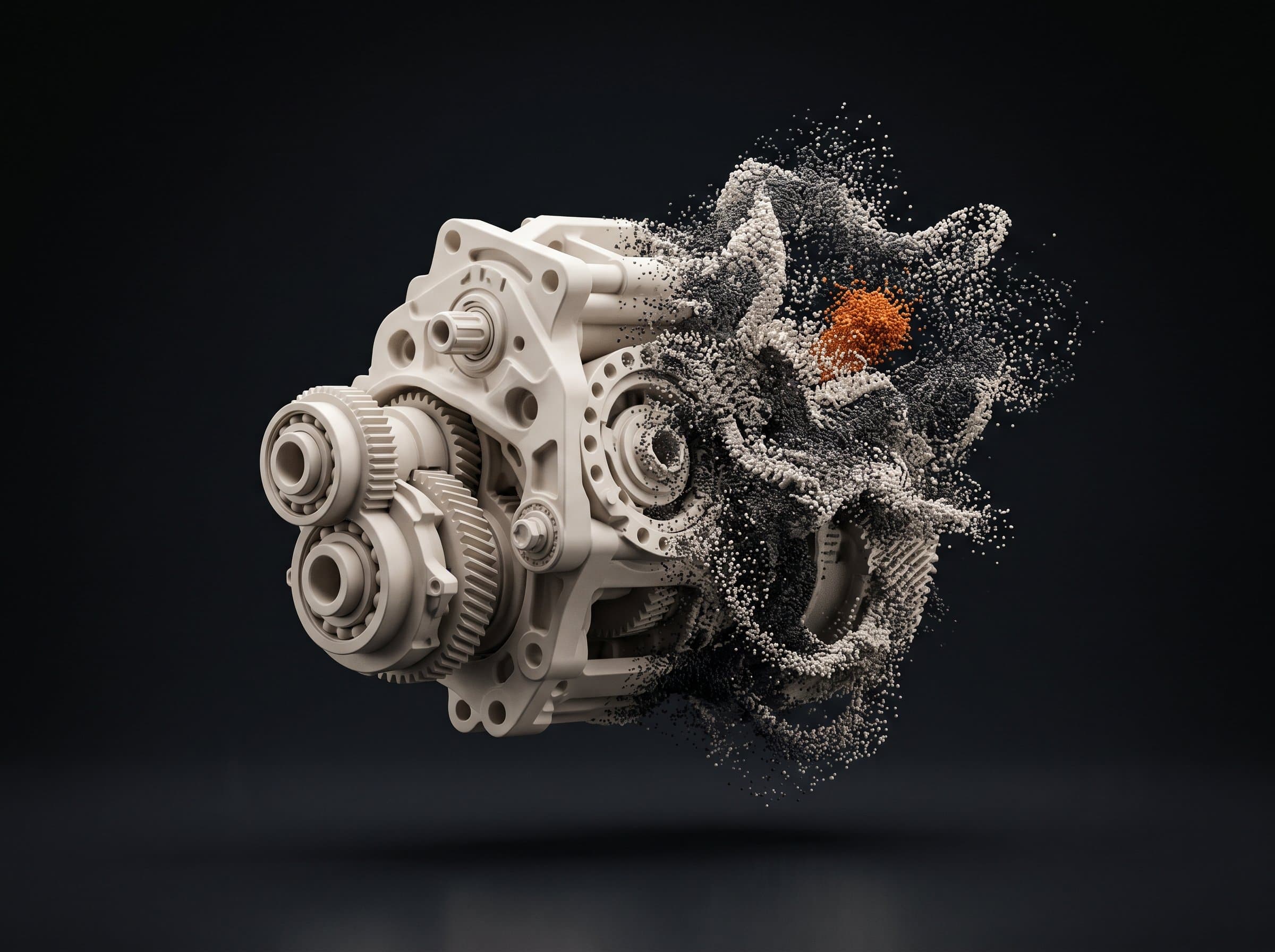
Shilpa applies generative AI to the repetitive core of engineering work – CAD automation and manufacturing design. It generates and modifies designs from intent, checks manufacturability early, and captures hard-won engineering know-how as reusable assets, so teams spend their time on the hard problems rather than the routine ones.
The problem
Engineering teams spend disproportionate time on repetitive CAD and design tasks.
The outcome
Generative AI that accelerates CAD automation and manufacturing engineering workflows.
How it works
How Shilpa works
- 01
Describe intent
Engineers express what they need; the system proposes CAD.
- 02
Generate & modify
Designs are created and adapted automatically.
- 03
Validate
Manufacturability and constraints are checked early.
- 04
Capture knowledge
Decisions become reusable assets for the next design.
Module 01
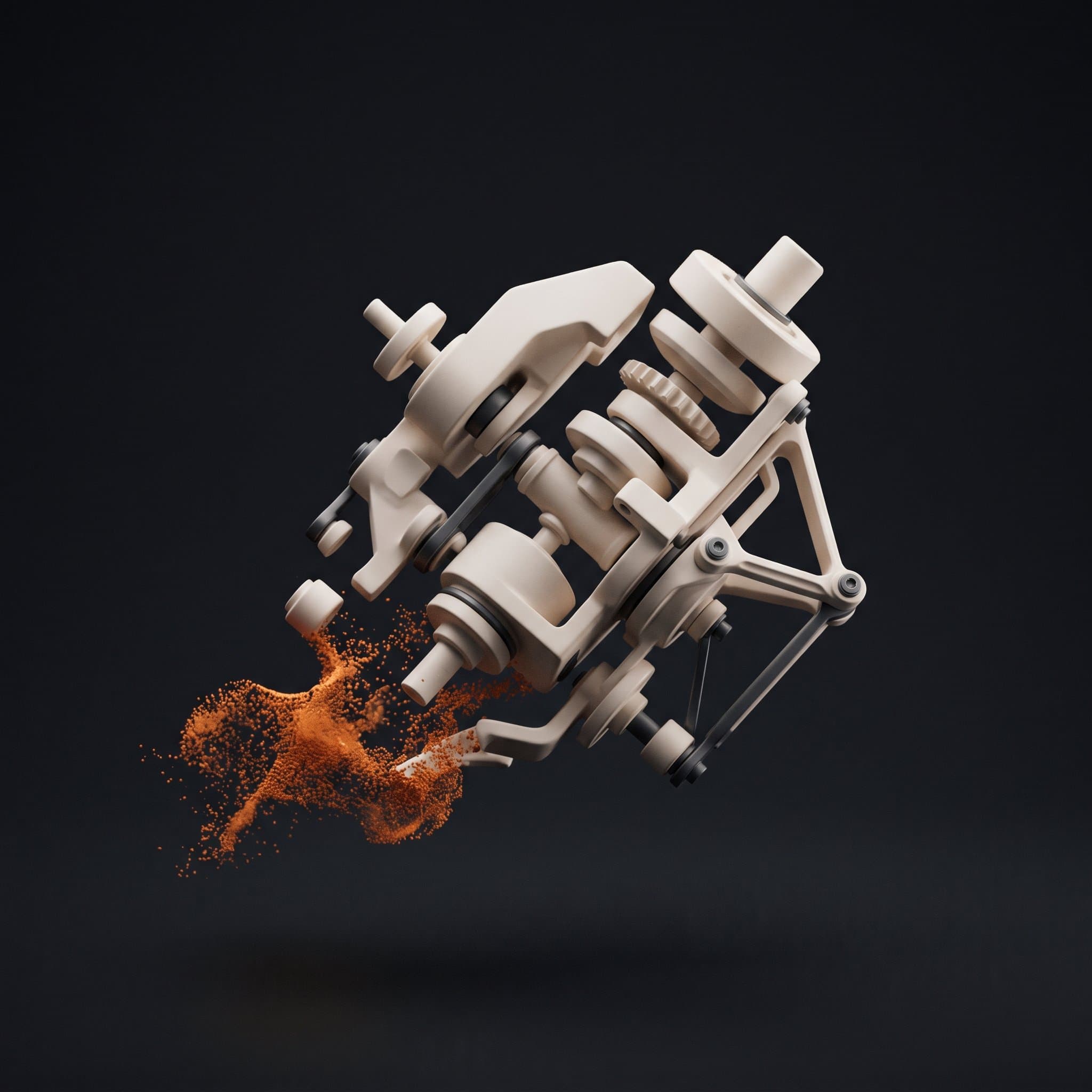
CAD Automation
Generate and modify designs from intent.
- 02
Design Validation
Check manufacturability and constraints early.
- 03
Knowledge Capture
Encode engineering know-how into reusable assets.
- for CAD & manufacturing
- GenAIfor CAD & manufacturing
Integrations
Ideal for
- Manufacturing and automotive engineering
- CAD and design-automation teams
- Groups burdened by repetitive design tasks
- Organizations formalizing engineering knowledge
Capabilities
Shilpa composes these capabilities from the shared Agent Platform layer. The same atoms power the rest of the portfolio, so adopting a second accelerator reuses the integration work rather than repeating it.
Composition
Shilpa is assembled from shared platform atoms. Hover a partner to see what you reuse on the next deployment.
Pairs with
- Generative Design
- Designs, tests, and code generated from stated intent and checked against constraints before a human reviews.
- System Connectors
- MCP-connected reads and writes against the ERP, MES, PLM, CRM, and warehouse systems already in place.
- Root-Cause Reasoning
- Symptoms traced back through system, process, and genealogy relationships to the change that caused them.
- Human Approval
- Explicit approval boundaries: anything consequential waits for a person, and the wait is recorded.
Reason
Ingest
Reason
Govern
FAQ
Does it replace our CAD tools?
No – it automates work inside and around your existing CAD and PLM stack.
How is engineering knowledge captured?
Design decisions and constraints are encoded into reusable assets the platform reapplies.
Is the generated output manufacturable?
Design Validation checks manufacturability and constraints before work moves downstream.
How do we start?
A fixed-scope pilot targets one repetitive workflow and proves the time saved.