Reporting Operational Health to Leadership Without a Manual Pack
An IT leadership team receives a monthly operations pack assembled by hand from six systems, arriving three weeks after the period it describes.
Run on Sutradhar · Agentic IT Operations

The pack takes days of analyst time and is out of date before it is read.
Metric Consolidation → Consistent Definition → Narrative Generation → Live Access
Reporting generated from live data rather than assembled by hand.
The challenge
The pack takes days of analyst time and is out of date before it is read.
Numbers differ between the pack and the underlying systems, undermining trust in both.
Leadership questions cannot be answered without commissioning further analysis.
How our team solved it, with Sutradhar
- 01
Metric Consolidation
Sutradhar draws incident, change, availability, and resolution metrics from their systems of record continuously.
- 02
Consistent Definition
Each reported metric has one definition applied everywhere, so the pack and the systems agree.
- 03
Narrative Generation
Material changes in trend are surfaced with the incidents behind them rather than as unexplained movement.
- 04
Live Access
Leadership can interrogate the underlying detail rather than commissioning follow-up analysis.
- 05
Scheduled Distribution
The pack is generated on schedule from live data instead of assembled by an analyst.
- 06
Operations Head Sign-Off
The head of IT operations reviews each scheduled pack and signs it off before it goes to leadership.
The outcome
- The pack takes days of analyst time and is out of date before it is read.
- Numbers differ between the pack and the underlying systems, undermining trust in both.
- Leadership questions cannot be answered without commissioning further analysis.
- Reporting generated from live data rather than assembled by hand.
- One agreed definition per metric across the pack and its source systems.
- Follow-up questions answered directly instead of commissioned.
Delivered for a client; the client name is withheld under NDA. References are available on request.
Capabilities used
Every accelerator is assembled from the same capability layer, so a workflow you adopt here shares its foundation with the rest of the portfolio.
Run on Sutradhar
Watch Sutradhar run, end to end, in a few minutes.
Agents that cut the alert noise, find the cause, and fix what is safe to fix.
See the Sutradhar acceleratorMore from Sutradhar
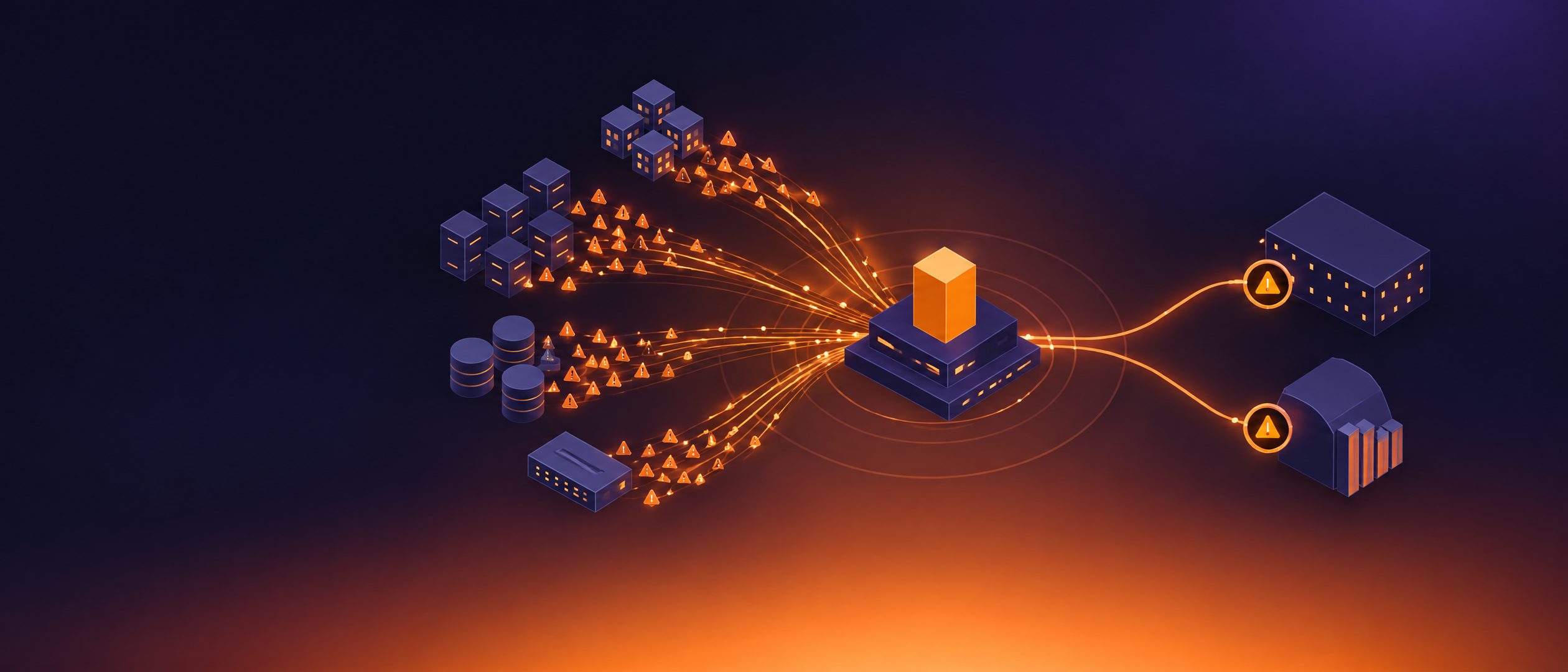
Collapsing Alert Storms into the Incidents That Are Actually Happening
An enterprise operations centre receives tens of thousands of monitoring alerts a week across infrastructure, applications, and network.
Read the use case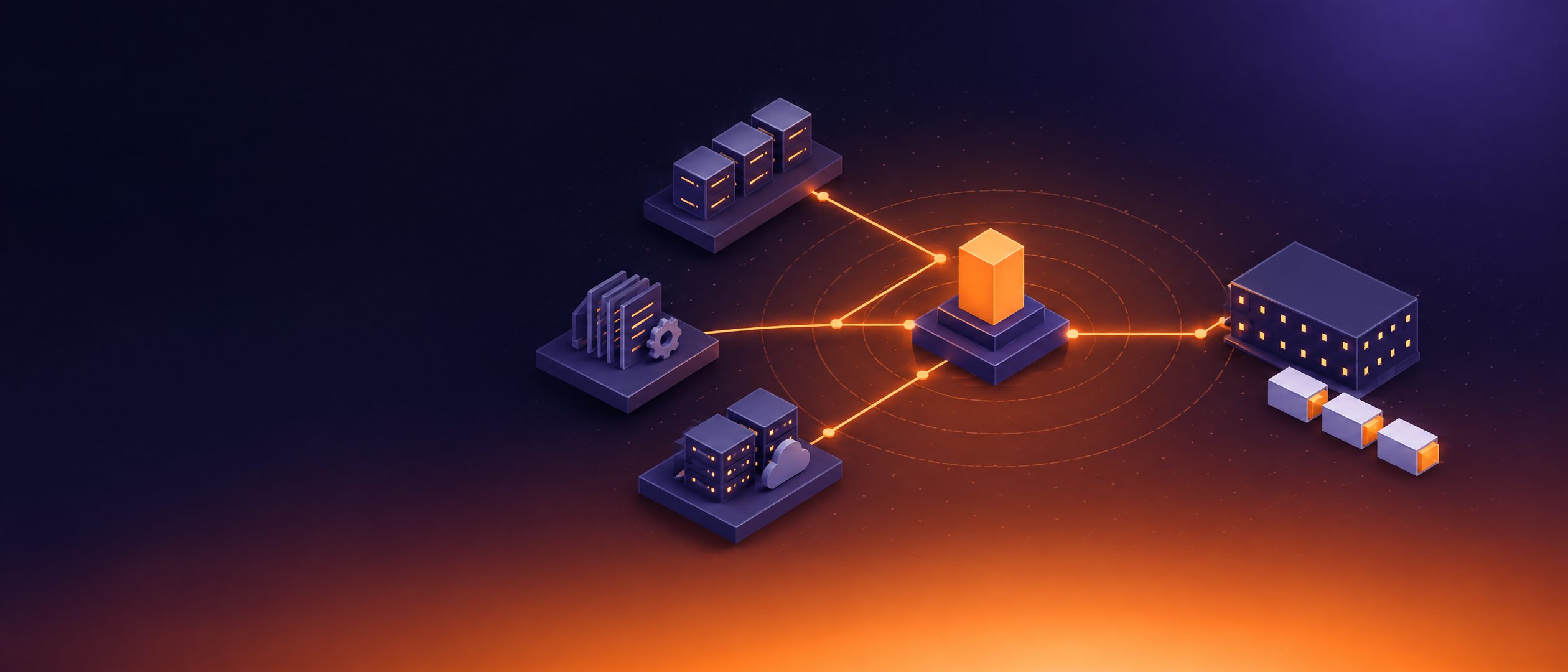
Diagnosing Root Cause Across Services, Infrastructure, and Recent Change
A platform team's mean time to diagnosis is dominated by the search for what changed, across deployments, configuration, and infrastructure.
Read the use case
Executing Safe Remediations While Escalating Anything with Blast Radius
An operations team performs the same routine remediations weekly - restarts, cache clears, capacity adjustments - by hand, at all hours.
Read the use caseBring us the version of this that you actually have.
Every engagement is fixed in scope and milestone-gated. The scoping conversation starts with your systems, not with a template.